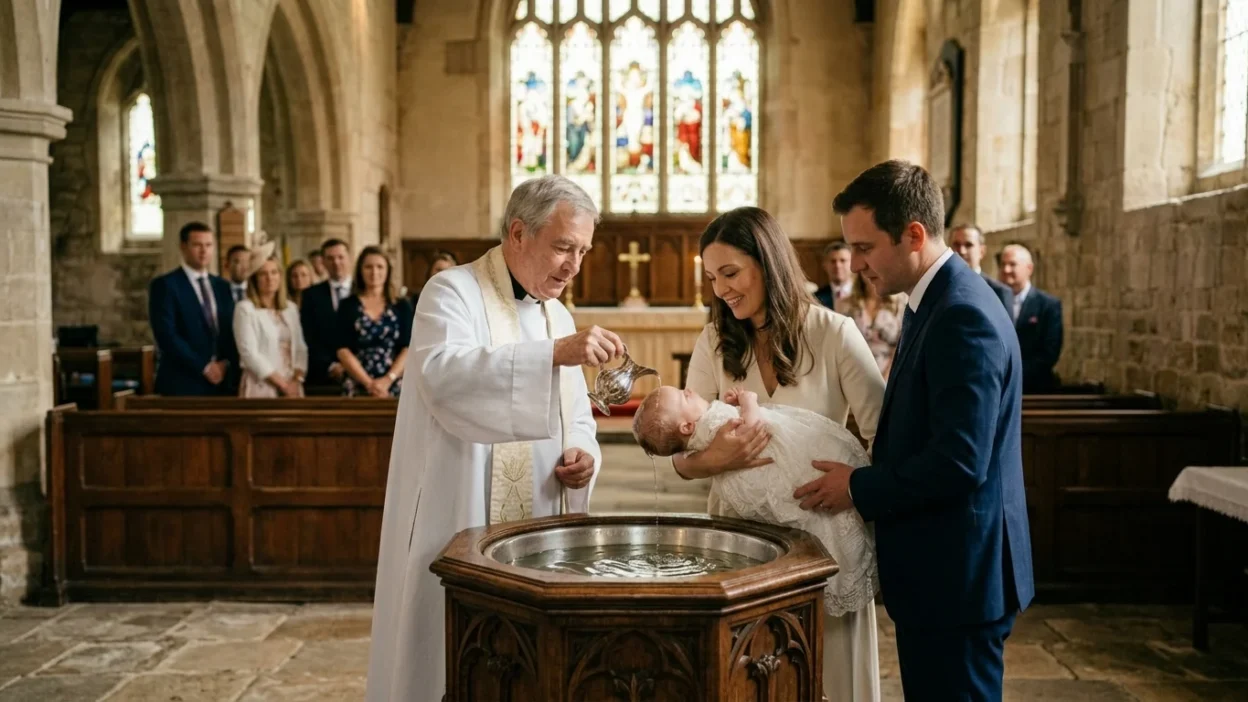
When I first started working with content writing, I noticed people often pause at baptised or baptized, unsure which one is right. The truth is simple: both are correct, just shaped by British English and American English, which reflects a long regional variation in English dialects and English style. In daily writing, especially in blogs, online content, and even academic writing, this small spelling difference shows up again and again, creating mild confusion for learners, students, and even editors during proofreading. The meaning, however, stays fully identical meaning and carries the same spiritual meaning tied to Christianity, faith, and the baptism ceremony.
In practice, I often explain that baptise and baptize are just different forms of the same verb, moving through present tense, past tense, past participle, and gerund without changing the core idea of immersion, water ritual, or symbolic cleansing. Whether someone attends a church on Sunday, an Easter service in a cathedral, or a simple religious ceremony by a river or lake, the act represents rebirth, initiation, and spiritual transformation.
This understanding improves clarity, builds professional writing, and helps maintain consistency rule across global audience content used in the USA, UK, Canada, Australia, New Zealand, and the wider Commonwealth, especially in publishing, textbooks, newsletters, and social media communication.
Quick Answer: The Simple Truth
Here is the easiest way to understand it:
- Baptised → British English spelling
- Baptized → American English spelling
- Both words have the same meaning
- Both are correct in their own regions
- There is no difference in pronunciation
- The choice depends on where you are writing or reading English
So, if you see either word, you should understand they mean the same religious act of baptism.
Origin and Background of the Words
The words come from the religious word “baptize,” which means to perform a Christian ceremony using water.
This word originally comes from ancient Greek, and it entered English many centuries ago.
Over time, English changed in different countries:
- In Britain, spelling became slightly longer and more traditional.
- In the United States, spelling was simplified to match pronunciation.
That is why:
- British English kept the spelling baptise / baptised
- American English changed it to baptize / baptized
This pattern is not only for this word. Many English words follow the same rule, such as:
- organise (British) vs organize (American)
- realise (British) vs realize (American)
So, “baptised” vs “baptized” is part of a larger spelling difference system in English.
Clear Explanation of the Difference
Even though the spelling looks different, there is no change in meaning at all.
Both words mean:
- A religious ceremony
- A ritual using water
- A symbolic cleansing or initiation in Christianity
The only difference is spelling style:
- Baptised uses “s”
- Baptized uses “z”
Think of it like two uniforms for the same job. The job is the same, but the appearance is different depending on the country.
Also, pronunciation is the same in most cases:
- Both are usually said as: BAP-tized / BAP-tised
So when speaking, you don’t need to worry about which one to say differently.
Comparison Table: Baptised vs Baptized
| Feature | Baptised | Baptized |
| English type | British English | American English |
| Spelling style | Uses “s” | Uses “z” |
| Meaning | Same | Same |
| Pronunciation | Same | Same |
| Usage area | UK, Australia, etc. | USA, Canada (mostly) |
| Correctness | Correct | Correct |
| Formal writing | Accepted | Accepted |
This table shows clearly that there is no difference in meaning or correctness.
Which One to Use and When
Choosing between “baptised” and “baptized” is simple. You only need to think about your audience.
Use “Baptised” when:
- You are writing in British English
- Your school follows UK English rules
- You are reading UK religious texts or books
- You are writing for countries like the UK, Australia, or New Zealand
Use “Baptized” when:
- You are writing in American English
- Your teacher or institution uses US English
- You are writing for readers in the USA or Canada
- You are publishing content for American audiences
If you are unsure:
- Pick one style and stay consistent
- Do not mix both spellings in the same document
Consistency is more important than choice.
Common Mistakes People Make
Many learners make small but common mistakes with these words:
- Mixing both spellings in one essay or paragraph
- Thinking one spelling is wrong
- Changing spelling randomly while writing
- Trying to “correct” official texts that already use one version
- Believing there is a difference in meaning
The most important thing to remember is:
👉 Both spellings are correct. There is no “wrong” version.
Everyday Real Life Examples
Here are simple examples to help you understand how the words are used in daily life.
In school writing
- British English: “He was baptised in a small church.”
- American English: “He was baptized in a small church.”
Both sentences mean the same thing.
In news or articles
- “The baby was baptised during a family ceremony.”
- “The baby was baptized last Sunday.”
Different spelling, same meaning.
On social media
People may write:
- “Feeling blessed after being baptised today 🙏”
- “I got baptized yesterday, so happy!”
Both posts describe the same experience.
In daily conversation
- “When were you baptised?” (UK English speaker)
- “When were you baptized?” (US English speaker)
The question is identical in meaning.
Short Learning Section for Students and Beginners
If you are learning English, here is a simple way to remember:
- “baptised” = British English spelling
- “baptized” = American English spelling
Easy memory trick:
👉 “S” is often used in British English
👉 “Z” is often used in American English
You do not need to memorize both deeply. Just recognize them when you see them.
Also remember:
- Meaning never changes
- Pronunciation stays the same
- Only spelling is different
This will help you avoid confusion in exams and reading.
FAQ: Simple Questions and Answers
Is baptised the same as baptized?
Yes, both words mean exactly the same thing. Only spelling is different.
Which spelling is correct?
Both are correct. It depends on British or American English style.
Do they have different meanings?
No, the meaning is identical in both cases.
Which one is used in the UK?
“Baptised” is commonly used in British English.
Which one is used in the USA?
“Baptized” is commonly used in American English.
Do they sound different when spoken?
No, they are pronounced the same in most situations.
Can I mix both spellings in writing?
It is better not to mix them. Choose one style and stay consistent.
Is one spelling more modern than the other?
No. Both are still widely used today in different regions.
Conclusion: Simple Way to Remember
The confusion between “baptised” and “baptized” is very common, but the answer is simple. Both words mean the same thing, and both are correct. The only difference is spelling style based on British and American English.
If you remember one simple idea, you will never be confused again:
👉 Same meaning, different spelling.
Just choose the style based on your audience, stay consistent, and focus on clear writing.

Anthony Charles is the founder and lead content creator at Meanefy.com, a platform dedicated to exploring word meanings, language nuances, and everyday curiosities. With a passion for language and a keen eye for detail, Anthony aims to make complex words and concepts simple and accessible for readers around the world.